
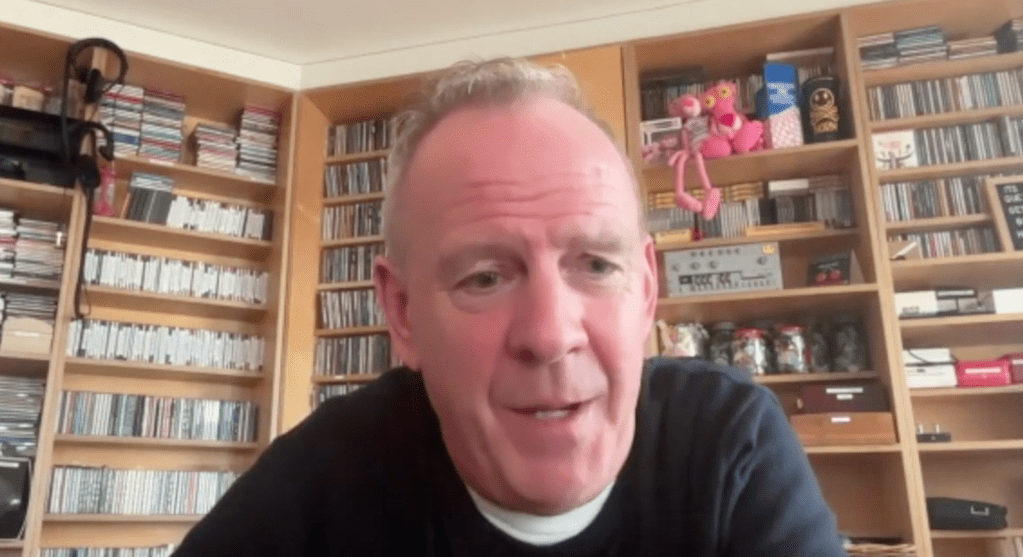
Sat in the front of a wall lined with trophies, vintage merchandise, music memorabilia and CDs, Norman Cook- better known to many as Fatboy Slim- leaned to the camera, ready to discuss the seismic shifts he has seen in his career in the dance scene. From 1981 all the way to right here, right now.
Being from an era when being a DJ meant crate digging for samples and forging real life connections in sweaty clubs- the changes Cook has seen throughout his stardom, he believes, have created a new age of ‘bedroom dj’s’ who now can rise to fame before even performing live.
“A new DJ can make a name for themselves online, before they’re even old enough to play in a club. Before you’d have to slog it around the circuit for two years. Now? You can do that in the click, now everyone can make it.”
– Norman Cook
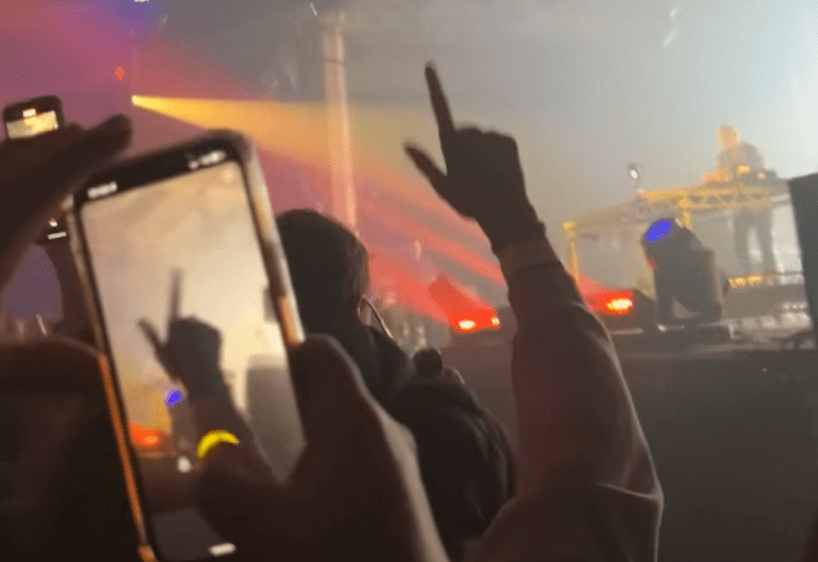
At one point the dancefloor and dance music were unifiers, exciting, strobe-lit havens where strangers became friends, under the thud of a shared bassline. The UK’s dance music scene was built on togetherness — a collective experience. Now that dancefloor lives in both digital and physical forms, all the way from a sweaty warehouse rave to a viral TikTok trend.
As much as dance culture has expanded to what extent has it become fragmented, and what does this mean for the future of the dance music scene?
Still performing now throughout the ‘digital invasion’ of dance music, Cook admitted, “It’s a double edged sword. It’s an extremely sharp double edged sword.”
“A new DJ can make a name for themselves online, before they’re even old enough to play in a club. Before you’d have to slog it around the circuit for two years. Now? You can do that in the click, now everyone can make it.”
The rise of digital platforms for DJs has created a rise in accessibility but it could be argued that this digital convergence has created much more alienation within the scene- that being the exact opposite of what DJs like Cook crave while performing, as he says,
“There isn’t that feeling of unity anymore, and I do miss that.”
Click below to hear more of what Norman had to say:
Is everyone harbouring the same beliefs?
Amber’s nightclub in Manchester has taken a huge stance in the UK music scene, with being one of the first in the UK to ban mobile phones all night.
Like Cook, co-owner of Amber’s, Hutch believes in the same principals of phones and social media creating less of a sense of unity. Hutch even goes as far to dub the club’s tagline as ‘Transformation, Connection, Euphoria’, emphasising just how much his phone ban means in the context of the club.
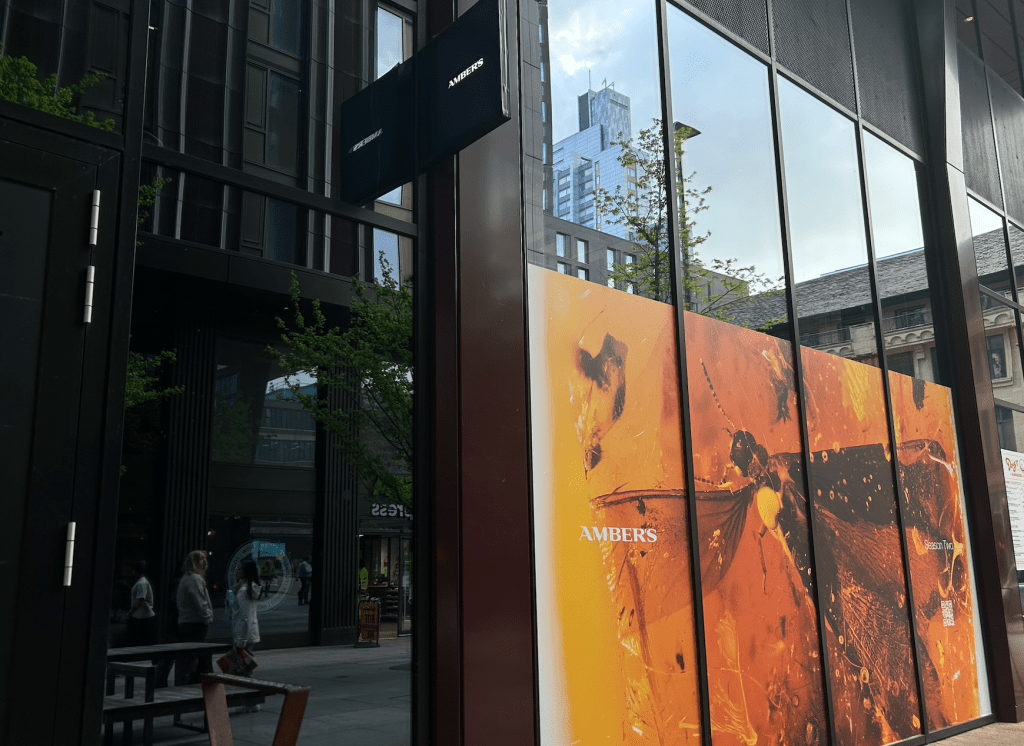
James Hutchinson, also known as Hutch, spoke about what the phone ban in Amber’s means,
“We’ve created something which we feel is quite special,”
“People should be present in the club. In the moment, in that space, with themselves. Connecting with themselves, connecting with their friends. That’s what I feel is the true essence of clubbing and that’s what it should be like.”
Here is Hutch describing more about how Amber’s came to be and what he believes the impact of social media is on the dance scene:
It seems that Hutch and Cook may not be alone with their beliefs, as a study commissioned by Eventbrite found that 70% of UK adults find it irritating when others take photos or record videos during live performances.
Further to this, according to DJ Mag another 65% of people believe that recording a performance could make them feel as though they are missing out on the experience.
Yet, even with these statistics, this still does not seem to be hindering the amount of phones at live events, or the amount of people still posting.
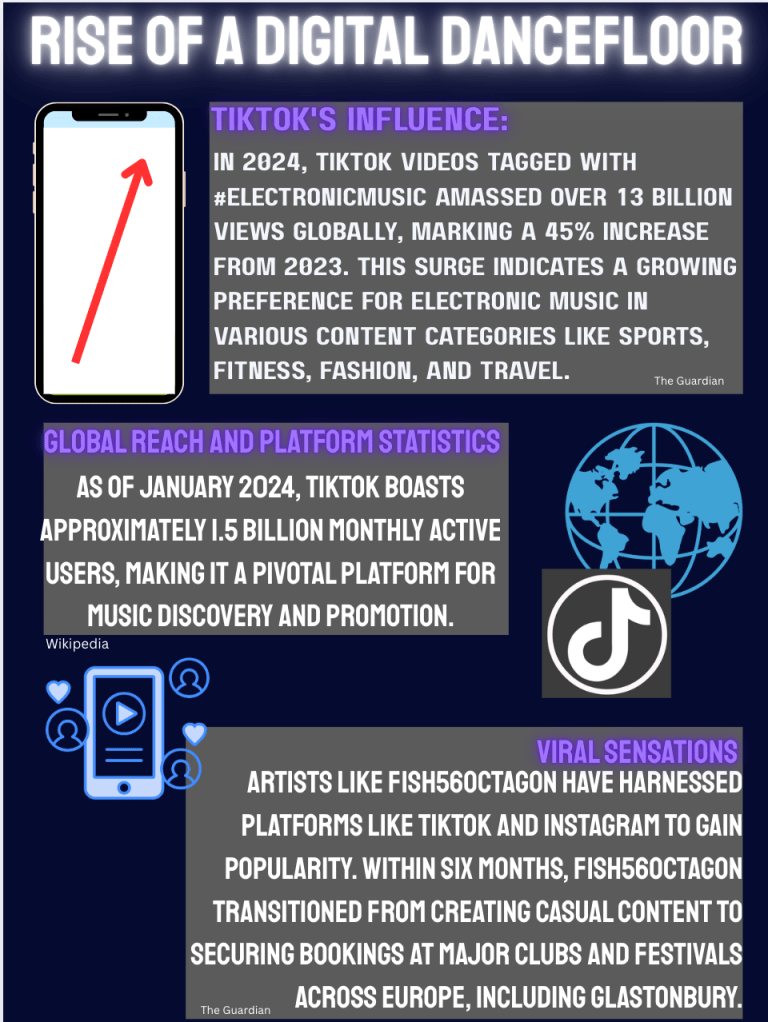
Despite the banning of phones and seeking a deeper feeling of connection, there is an argument that maybe a further connection is being made online, with #DJ having over 135.6 billion views on TikTok and #EDM (Electronic Dance Music) being a close second with 51.2 billion.
It seems obvious that many use social media as a modern way to view and share their own dance music. Music can now be shared globally at the push of a button and communities, where once the music was underground, now have a permanent and exciting place to congregate and share interests.
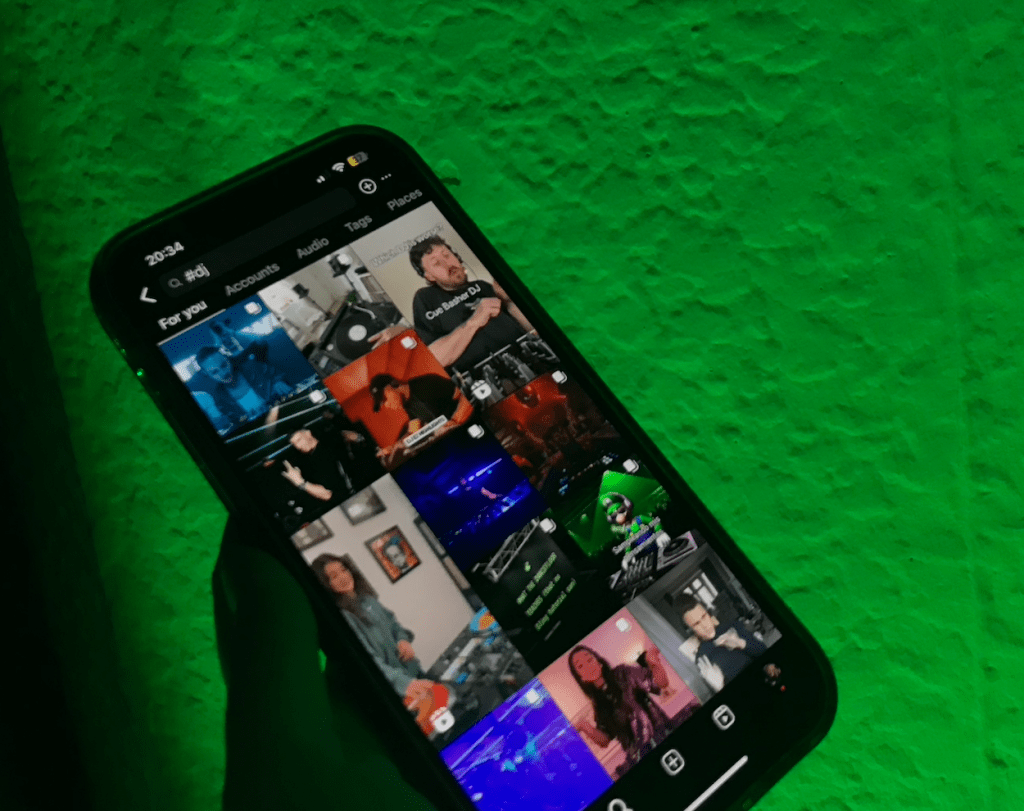
Arden Galin, who writes for music magazine Music Cast, explains what he thinks about the rise of a ‘digital music space’:
“Social media has completely changed the way we discover and share music,” he says. “TikTok, Instagram Reels, YouTube Shorts — they’ve made it super easy to go viral. But they’ve also flooded the market.”
“It can be really hard to break through the noise.”
What does social media really mean to the dance scene now?
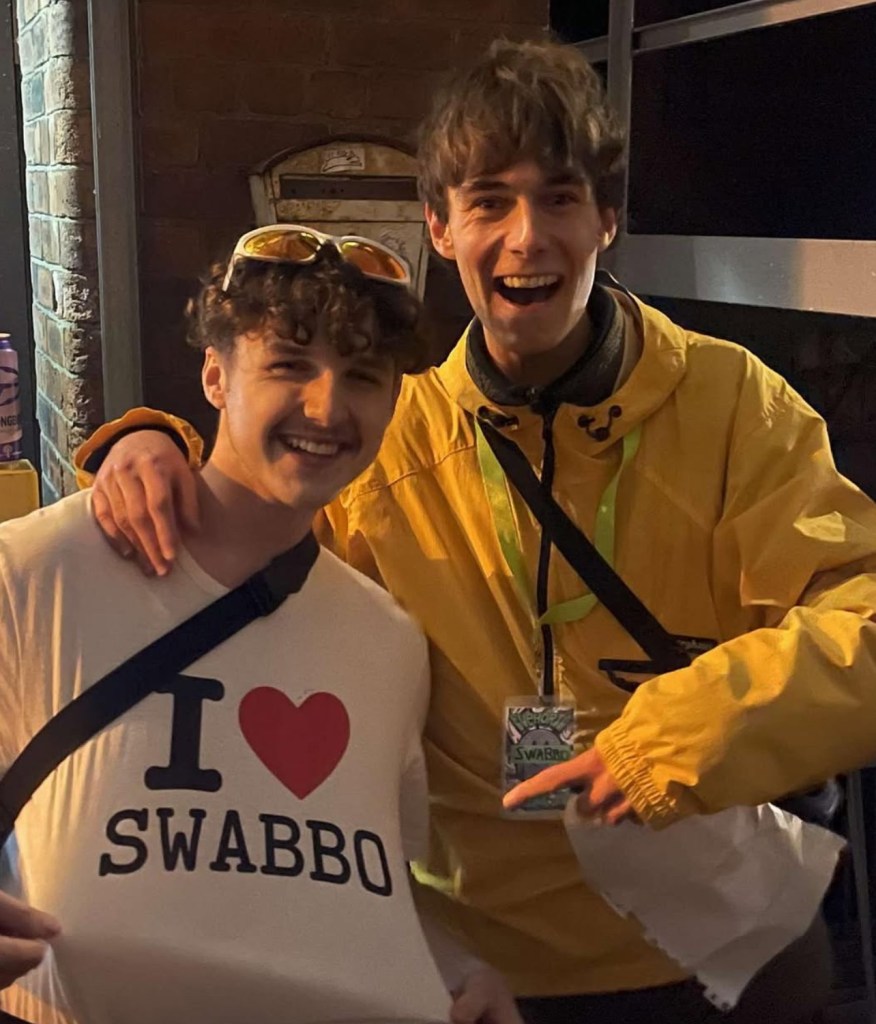
Georgie Swarbrick, at the age of only 22, has managed to not only get himself on the lineups of festivals but also set up his own events – all , he says, thanks to social media.
Georgie is extremely eager to argue that social media is now a vital part of the scene, “I would not have been where I am without social media. It’s crazy when you think about it! Like just how much the music scene must have changed from 20 years ago.”
After starting his TikTok journey in late 2023, Georgie (or Swabbo) has amassed over 33,000 likes and over one thousand followers. Despite these numbers differing greatly to Fatboy Slim’s 56 Million listeners on Spotify, Georgie’s beliefs are almost opposite to his.
“It’s a new culture, our generation need social media- we use it everyday. It’s a different era to what it was then!”
Here is more of the interview below:
Georgie represents a growing subculture of DIY artists using platforms like TikTok and Instagram as the modern equivalents of pirate radio — confusing the older generations, building communities, and creating polarizing opinions.
Yet even artists like Fatboy Slim are still cautious about the change in technology, “Music has always been about connection. Dance music is that, in its purest form. But now, everyone can upload a track, and that’s great — until it’s not.”
As online algorithms and the number of followers are beginning to redefine value, the essence of dance music is being questioned. Is a viral moment worth more than a life-changing night on the dancefloor? Is unity still possible when attention is now a currency?
Ultimately, Cook says it best- even after all this time from vinyl to viral,
“It’s incredibly easy now to be a DJ. But it’s hard to be a good DJ.”
 Let's Talk Music!
Leave a comment