
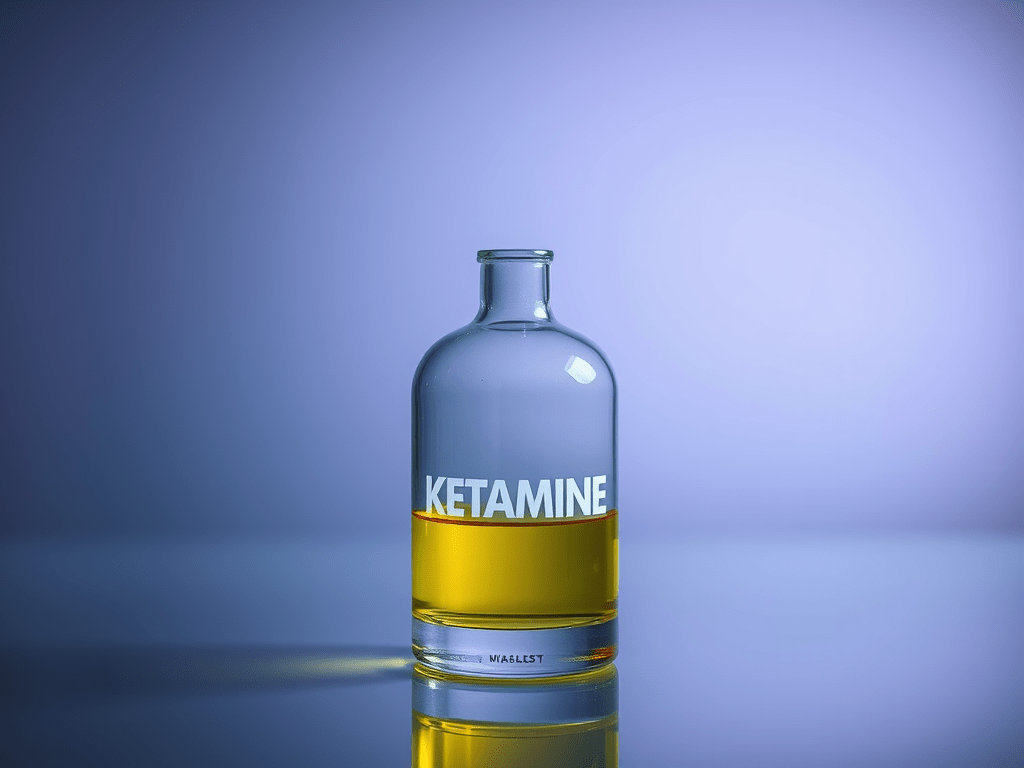
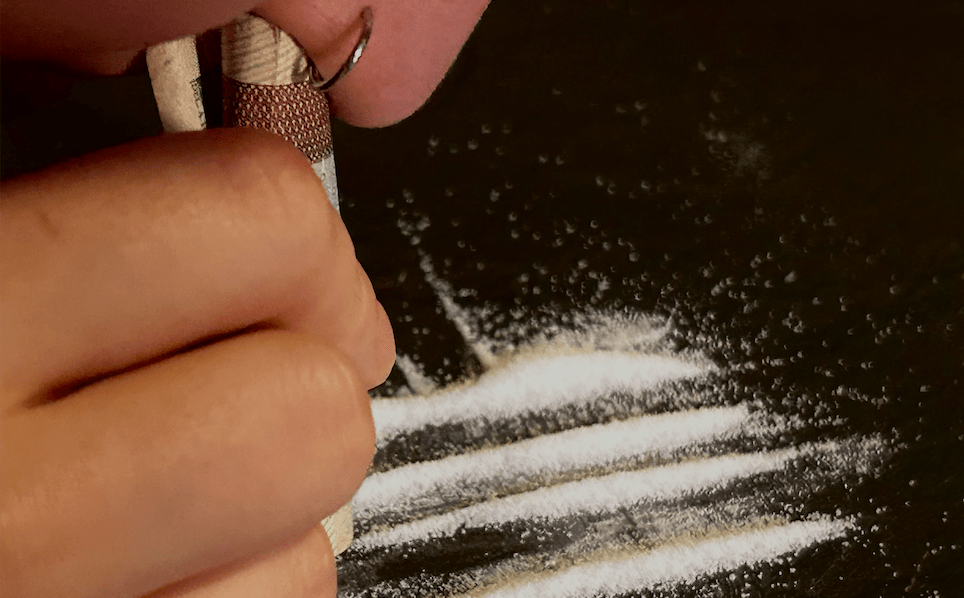
Finley Worthington is animated when he tells me about the people he’s working with as part of his ketamine support group in the north of England.
A self-described former ketamine addict, Finley claims that even schoolchildren are using the Class-B drug, which Ru Paul’s Drag Race Winner The Vivienne had been using just before she died.
“I’ve had conversations and there’s children as young as 12 taking it,” Finley claims, “Sniffing it in school, selling it, dealing it.”
This may sound like a line from a new Netflix show, or even an episode of ‘Top Boy’, but for support groups, schools and police this is a new gritty reality.
The drug Ketamine, once only known as a ‘horse tranquiliser’, has become the UK’s biggest threat; embedded in not only clubs, nightlife but now even as far as our own education system.
Souring numbers of the drug has caused concern over the tranquiliser’s accessibility, effects and additivity. With new data from the Home Office highlighting that the use of Ketamine has more than doubled in the last year alone- with an 85% increase.
This increase has not gone unnoticed by Policing Minister, Dame Diana Johnson, who released a statement:
“Ketamine is an extremely dangerous substance and the recent rise in its use is deeply concerning.
Through our Plan for Change and mission to make the nation’s streets safer, we will work across health, policing and wider public services to drive down drug use and stop those who profit from its supply.”
With the number of users in treatment and support groups on the rise, and even discussions in government about the reclassification of the drug from a Class B to a Class A Substance, many have dubbed the Ketamine crisis in the UK as an epidemic – and it does not seem to be going away.
How big is the problem?
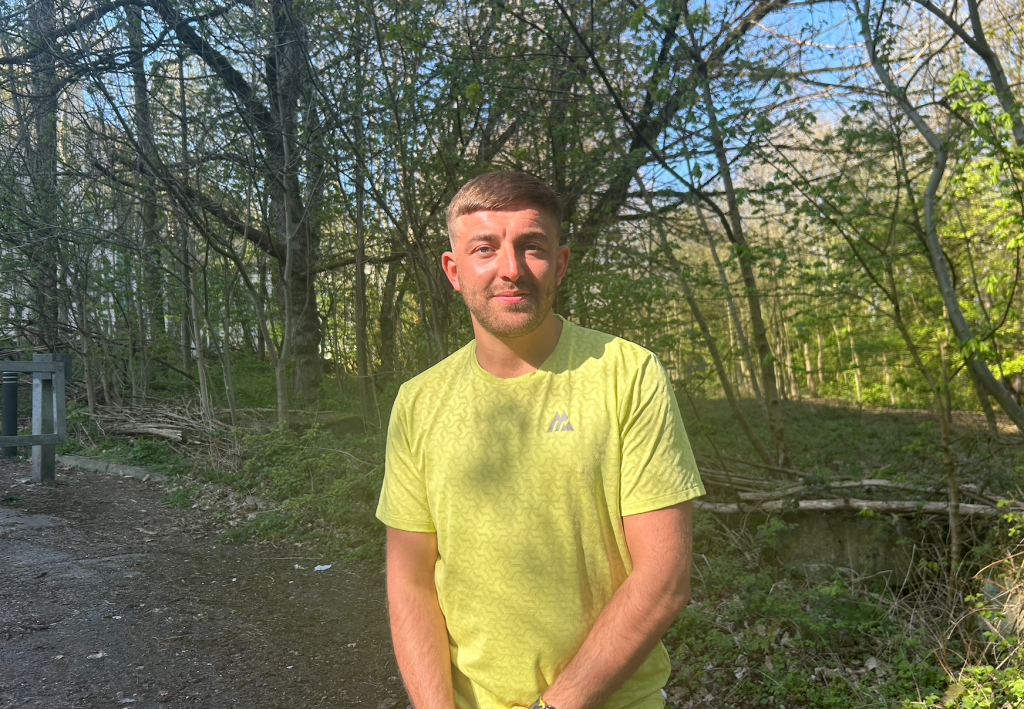
Finley Worthington, at the age of only 25, has set up support groups- for not only Ketamine users but also for the families and friends of people in active addiction.
Each group session has between 10 and 30 people joining weekly, and since starting his work he has seen an increase and need for there to be more support and awareness for the drug.
After his own struggle with Ketamine addiction, Fin feels strongly about the cause,
“Ketamine is like the new heroin. It should already be a Class A, we only have to look at stats and hospital admissions and the damage it’s causing to people and indirectly to communities.”
“I’ve had conversations and there’s children as young as 12 taking it. Sniffing it in school, selling it, dealing it.”
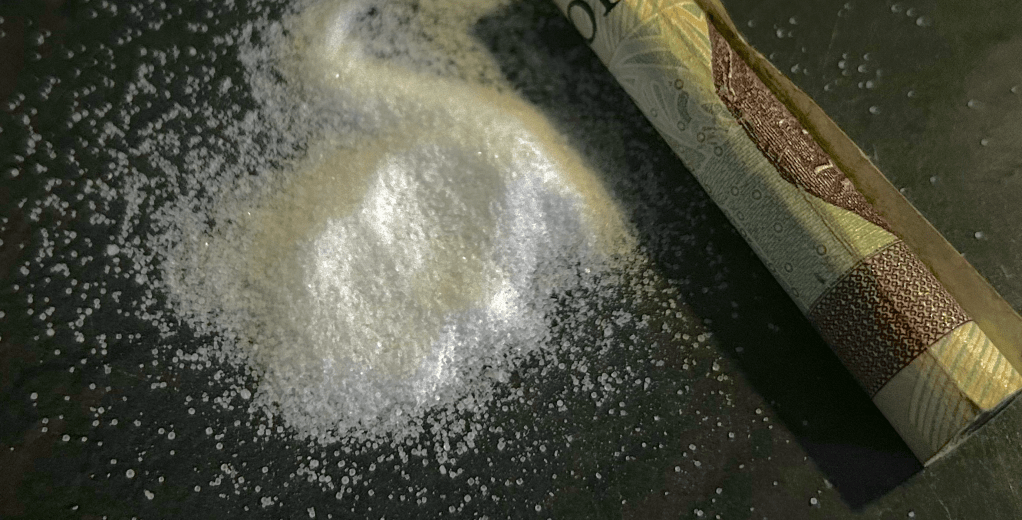
When talking about his own experiences in active addiction, Fin spoke more about the health problems that Ketamine causes. One Ketamine side effect, which many addicts have reported, is ‘Ket cramps’.
These cramps are caused by the drug clinging onto the body’s vital organs such as the liver, kidneys and the bladder.
“I don’t believe in God. I never have and I don’t think I ever will, but I were praying to God to take the pain away of the ket cramps. The only thing that would take that pain away was more Ket.”
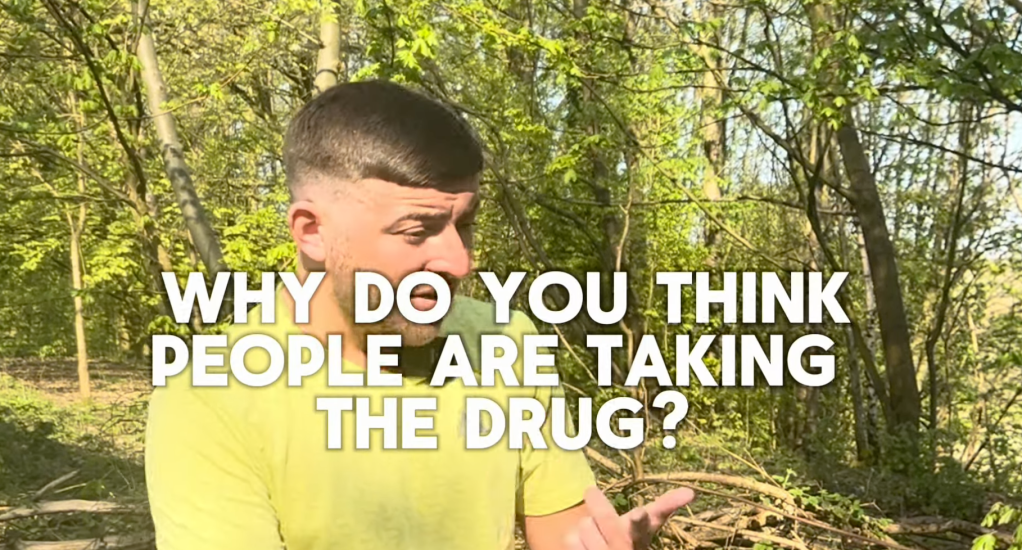
Click on the image below to hear more from Fin:
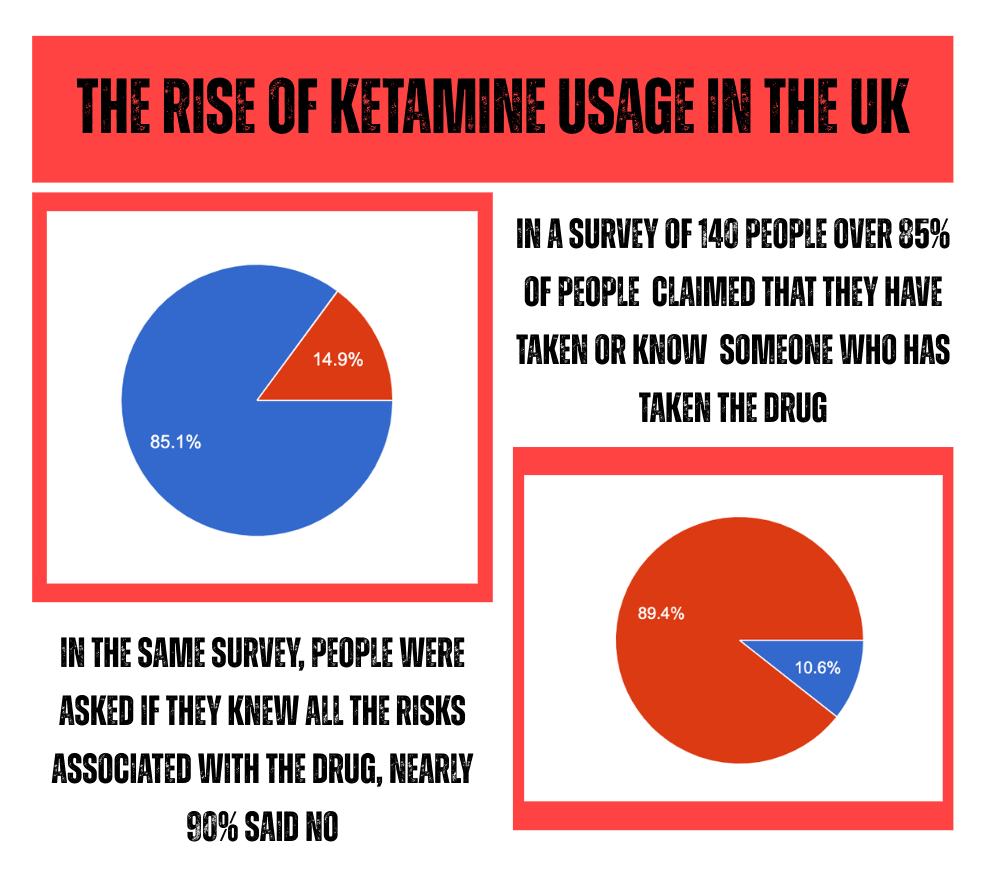
In a survey which I created during my research, one person described their experience with Ketamine:
“We got introduced to it when we were 17. Our relationship with it did become a bit out of habit, and like we didn’t really understand what we were putting into our bodies.”
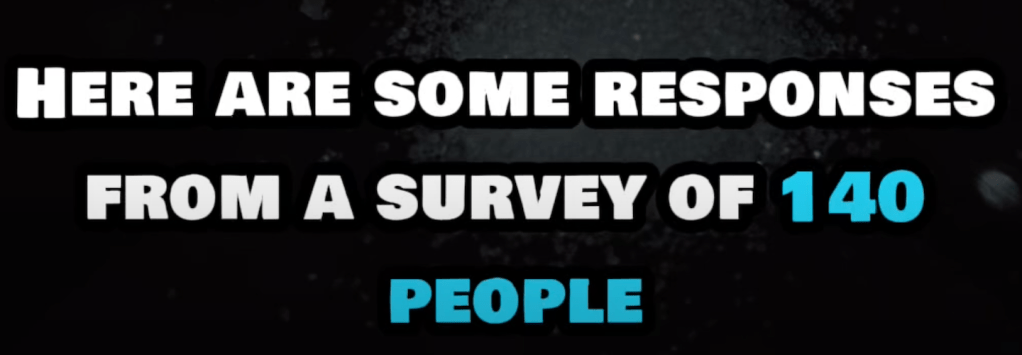
Click on the below image to hear more responses to the survey:
Raising Awareness
The Ketamine epidemic is almost impossible to ignore, with now many recovering addicts using social media platforms to help spread more information about this drug and its effects.
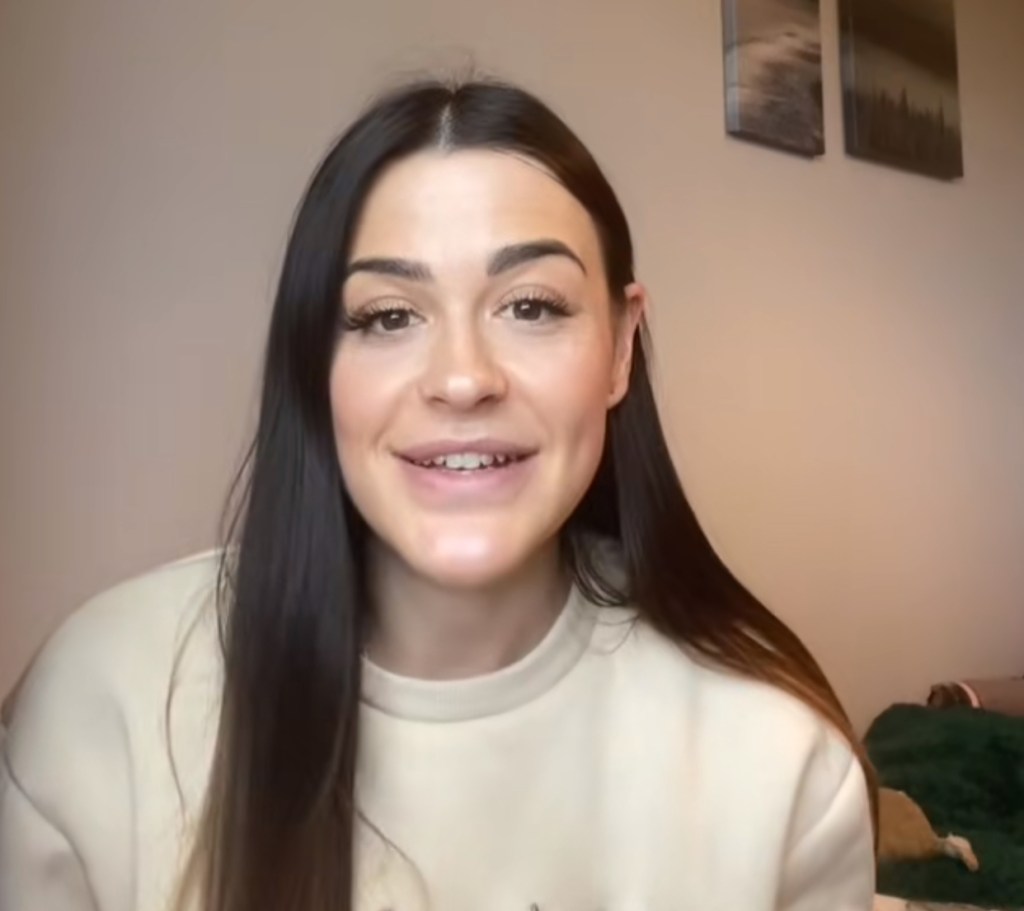
Abby has over 2 thousand followers, and has used TikTok to help share her story.
Her account ‘Tranquil not Tranquilised’ has recieved thousands of likes, and she uses the platform to advocate for a change in misinformation about the drug.
Abby explained more to me about why she started her TikTok journey,
“I thought a long time about sharing my journey on TikTok before I finally took the leap. I was seeing lots of misinformation and I wanted to raise awareness.
Once the government started talking about making it a Class A substance, I knew we’d reached crisis point and I knew I needed to share my story and join those raising awareness.”
Even after advocating for more awareness and better recovery services, Abby has recently gone back to rehab – proving again just how powerful this drug can be.
But Abby’s story is not unique, as this same story seems to resonate with a community of others.
The drug’s effect on families and addicts
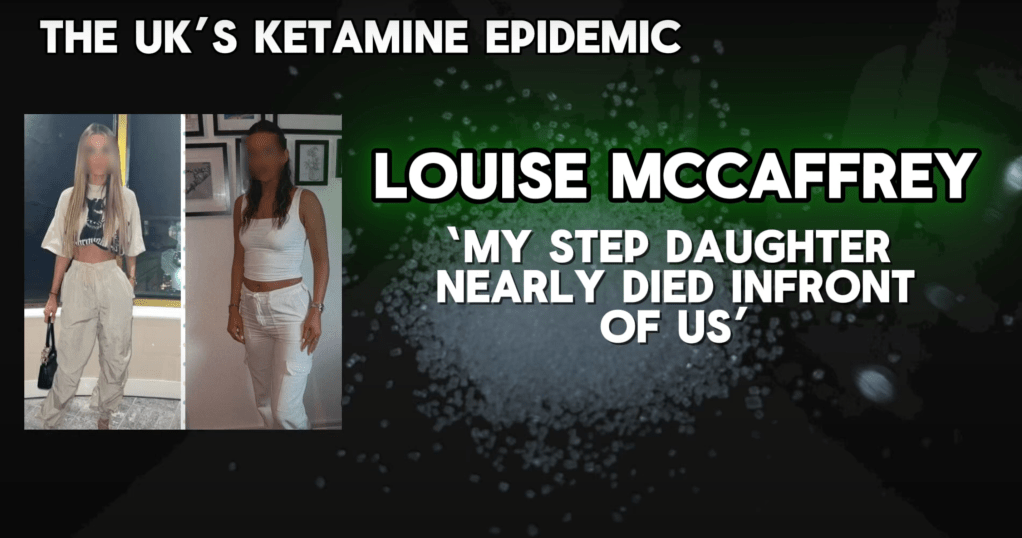
Louise McCaffrey stepmother of Phoebe, who is currently fighting her Ketamine addiction, began to break down when recalling the time of her daughter’s 21st birthday. A birthday which many would be keen to celebrate, turned into something much more sinister for her- tainted by Ketamine:
“Two years ago just after her 21st birthday, she collapsed on the bathroom floor and nearly died in front of us.” Louise continued, “She couldn’t walk and she couldn’t even hold a bottle of water, she was that weak.”

Click on the image below to hear more of Louise’s story:
Unfortunately cases like Louise, Abbey and Fin are becoming much more common and many are struggling to understand what is now causing this massive issue.
Journalist and content creator Simon Doherty, who uses his platform to educate others harm reduction, explains more about what he thinks is causing the rise in popularity of the drug Ketamine:
“I think that some people are self-medicating, for things like anxiety disorders or issues with past trauma, with just simple black market Ket. They choose to log off, and because ket is a dissociative, that works,”

“Another aspect of all this is the cost of living; Ket is cheaper than ever and alcohol is more expensive than ever. It’s the cost of living economics. Ket simply gives more bang for your buck.”
“But this can be a slippery slope, dependency can creep up on you. If someone is in this position, I would advise engaging with drug and alcohol services via your GP.”
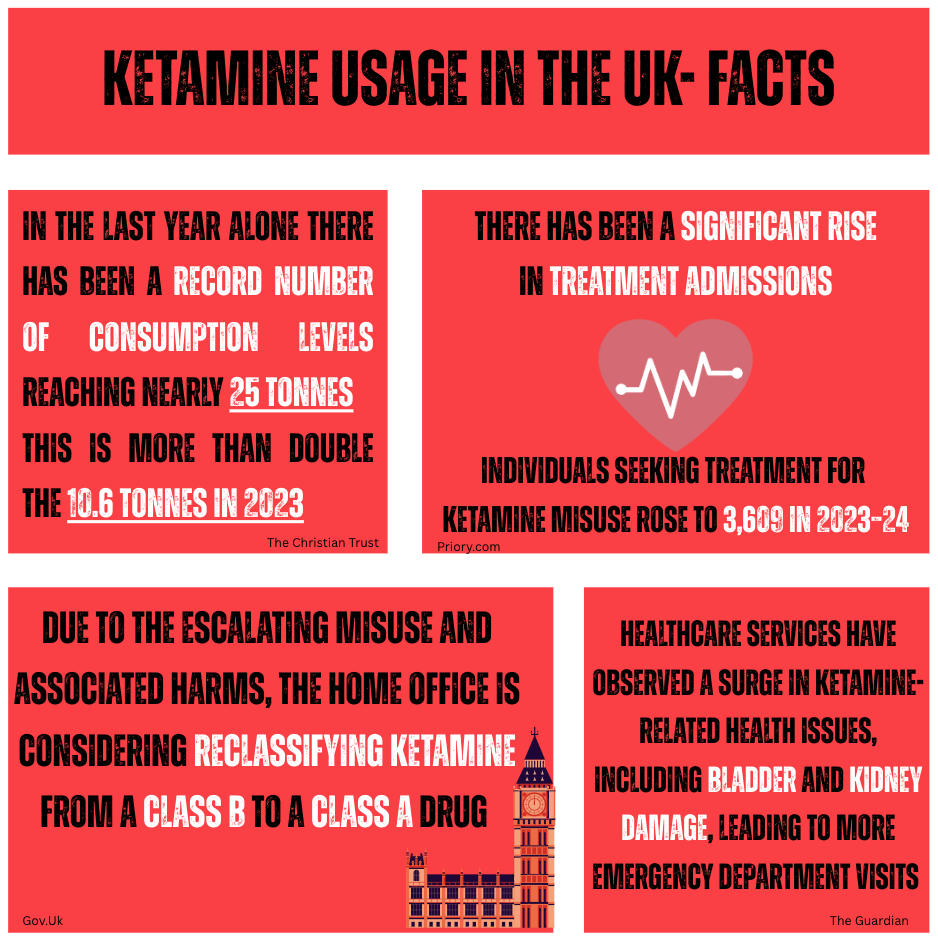
As Ketamine use continues to across the UK, racking its way from school corridors to pubs , it’s clear that this is no longer just a silent issue- it’s a deafening public health crisis.
To learn more about harm reduction of ketamine, or if you are in need of any help battling addiction feel free to use these links:
 Let's Talk Music!
Leave a comment